Acoustic wall panels are commonly used in spaces where speech, background noise, and sound reflections affect comfort and communication. By absorbing part of the sound energy that reaches their surface, suitable acoustic panels can help reduce excessive reverberation and make indoor environments more comfortable.
From offices and restaurants to hotels and educational facilities, acoustic wall panels can serve both functional and decorative purposes. The right solution depends on the room layout, existing finishes, noise conditions, and acoustic performance requirements.
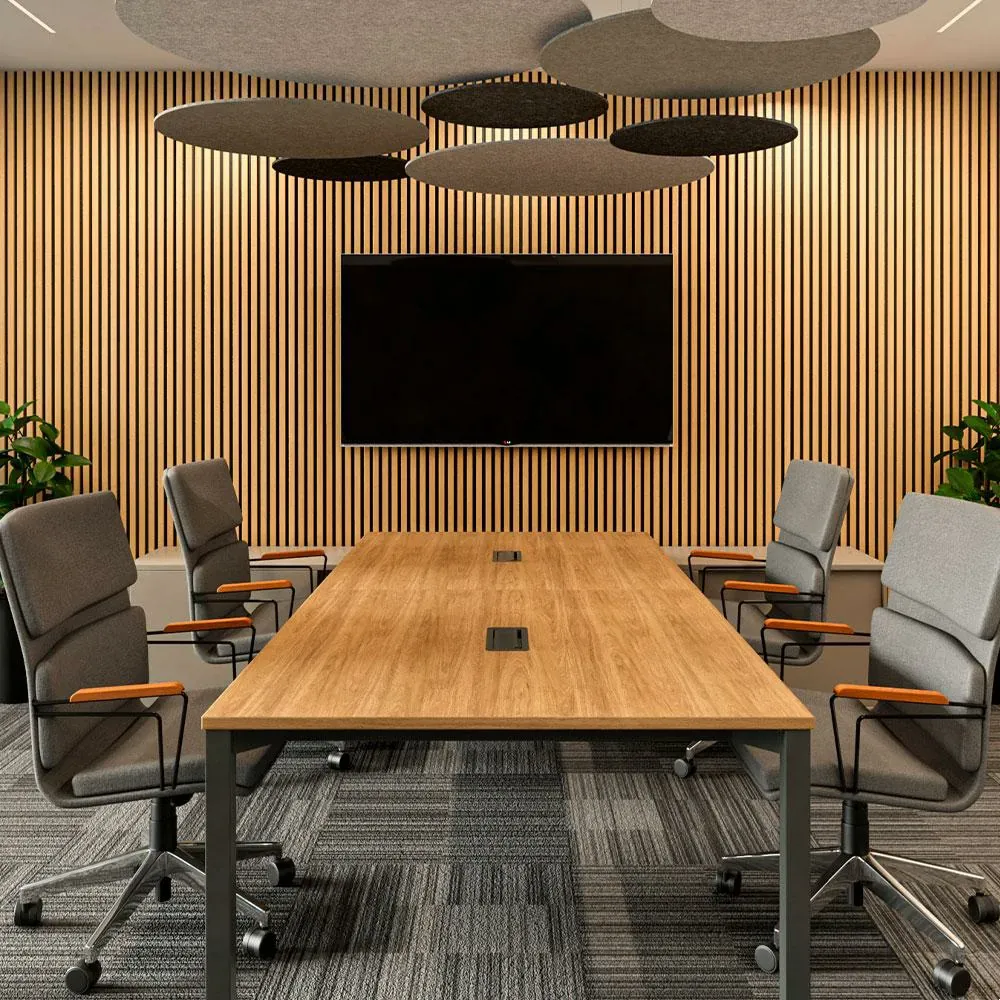
1. Offices and Meeting Rooms
Offices often contain hard surfaces such as glass partitions, concrete walls, and exposed ceilings. These surfaces can reflect sound and contribute to excessive reverberation, particularly in meeting rooms and open-plan workspaces.
Acoustic wall panels can help control reflections, making conversations easier to follow and supporting a more comfortable working environment.
Where they work well:
* Meeting and conference rooms
* Open-plan offices
* Reception areas
* Private offices and collaborative spaces
For office projects, consider panel placement, the amount of exposed wall area, and tested acoustic performance.
2. Restaurants and Cafés
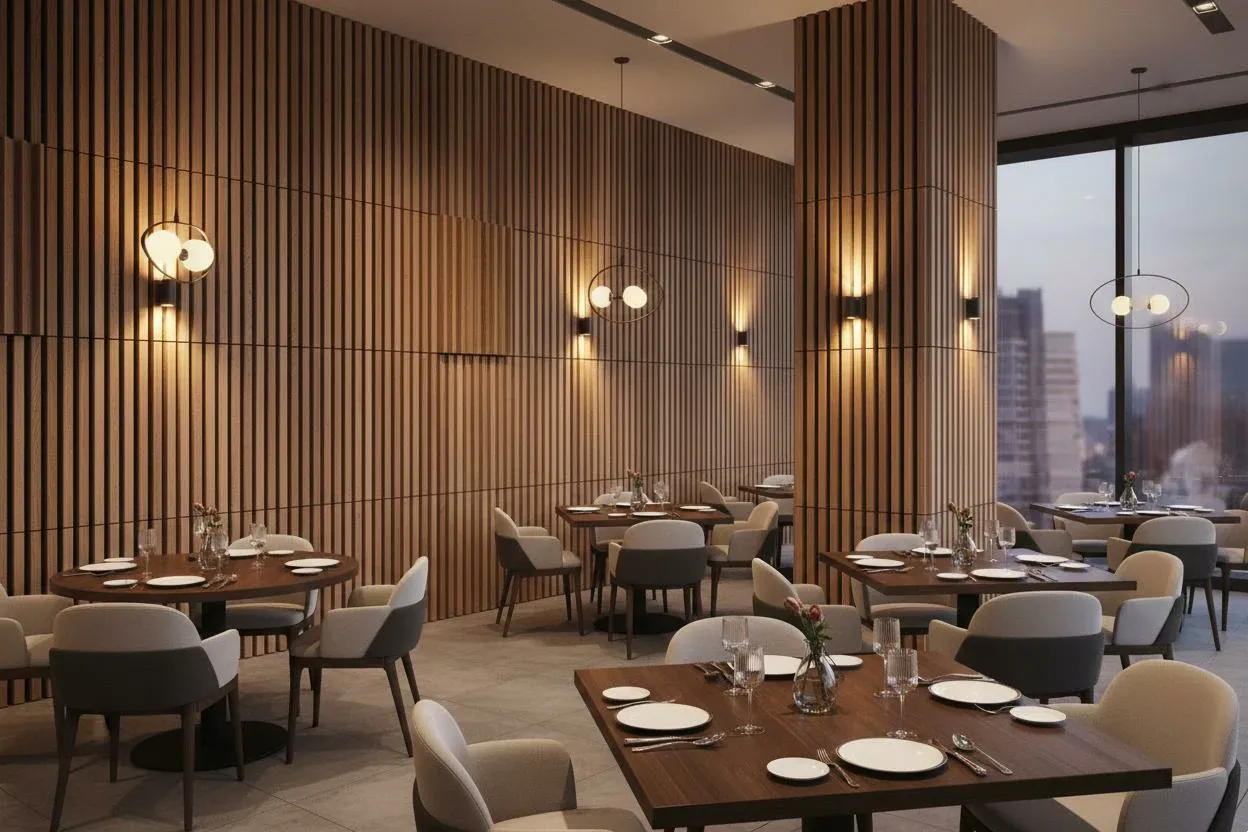
Conversations, kitchen activity, furniture movement, and background music can combine to create high noise levels in restaurants. When sound reflects repeatedly between hard surfaces, the dining environment may become uncomfortable.
Strategically placed acoustic panels can help reduce reverberation and improve the overall acoustic experience without changing the restaurant's design concept.
Where they work well:
* Dining areas
* Cafés and coffee shops
* Food courts
* Restaurant private rooms
Decorative finishes and coordinated panel layouts can help integrate acoustic treatment into the interior design.
3. Hotels and Hospitality Spaces
Hotels need to balance visual appeal, guest comfort, and practical maintenance requirements. Large lobbies, lounges, meeting rooms, and other shared spaces may contain reflective materials that contribute to reverberation.
Acoustic panels offer an option for combining sound absorption with decorative wall finishes.
Where they work well:
* Hotel lobbies and reception areas
* Conference and meeting rooms
* Lounges and shared spaces
* Selected restaurant and dining areas
When specifying panels for hospitality projects, consider the interior design, expected occupancy, cleaning requirements, and relevant fire-safety regulations.
4. Schools and Educational Facilities
Clear speech is important in classrooms, training rooms, and lecture spaces. Excessive reverberation can make it more difficult for students to understand spoken information, particularly in busy or crowded rooms.
Appropriately selected acoustic panels can help improve room acoustics when used as part of a broader acoustic design.
Where they work well:
* Classrooms
* Training rooms
* Lecture spaces
* Libraries and study areas
Panel selection should take into account the room's acoustic needs, durability, cleaning, and applicable safety requirements.
5. Commercial and Public Spaces
Retail stores, showrooms, reception areas, and other public-facing interiors often combine hard flooring, display fixtures, glass, and decorative wall finishes. These materials can contribute to sound reflections, especially in large or busy spaces.
Acoustic panels can help manage reverberation while reinforcing the visual identity of a commercial interior.
Where they work well:
* Retail stores and showrooms
* Reception and waiting areas
* Shared commercial spaces
* Selected public interiors
Panel colors, textures, and layouts can be coordinated with lighting, furniture, and other interior finishes.
How to Choose Acoustic Wall Panels for Your Project
Before selecting acoustic wall panels, consider the following factors:
Acoustic performance: Review tested sound absorption data, including the Noise Reduction Coefficient (NRC) where applicable. Performance depends on the product construction and installation system.
Panel material: PET acoustic panels and slatted acoustic panels may offer different combinations of appearance, construction, and acoustic performance.
Installation method: Wall-mounted panels, ceiling treatments, and other acoustic elements serve different purposes. The appropriate solution depends on the room and its acoustic requirements.
Interior design: Choose finishes, colors, and panel layouts that complement the overall design.
Safety and maintenance: Check relevant fire-performance documentation, cleaning instructions, and other project-specific requirements.
Acoustic panels primarily help control sound reflections within a space. They should not automatically be treated as soundproofing products, since reducing sound transmission between rooms requires a different approach.
Conclusion
Acoustic wall panels can be useful in offices, restaurants, hotels, educational facilities, and commercial interiors where excessive reverberation affects comfort or communication. Choosing the right product involves more than appearance: acoustic performance, installation, safety, and the needs of the space all matter.
At Speeding, we offer decorative acoustic panel options for a range of interior applications. Contact our team to explore available designs, request product information, and discuss acoustic panel solutions for your next project.



 +86 133 2501 4063
 info@speedingdecor.com

Room 102, Building 4, Tongshun Park, Qingdao Net Valley, No. 1 Tongshun Road, Chengyang High-tech Zone, Qingdao, Shandong, China.





 English
 Español


