For building material importers and distributors, the cost of a shipment goes beyond the price of the products themselves. Ocean freight, packaging dimensions, cargo weight, port charges, and the way goods are loaded can all affect the final landed cost.
For bulky products such as WPC wall panels, PU stone panels, PVC marble sheets, and PET acoustic panels, making better use of container space can be an important part of logistics planning. The goal is not simply to load more products into a container, but to balance shipping capacity, product protection, and total transportation costs.
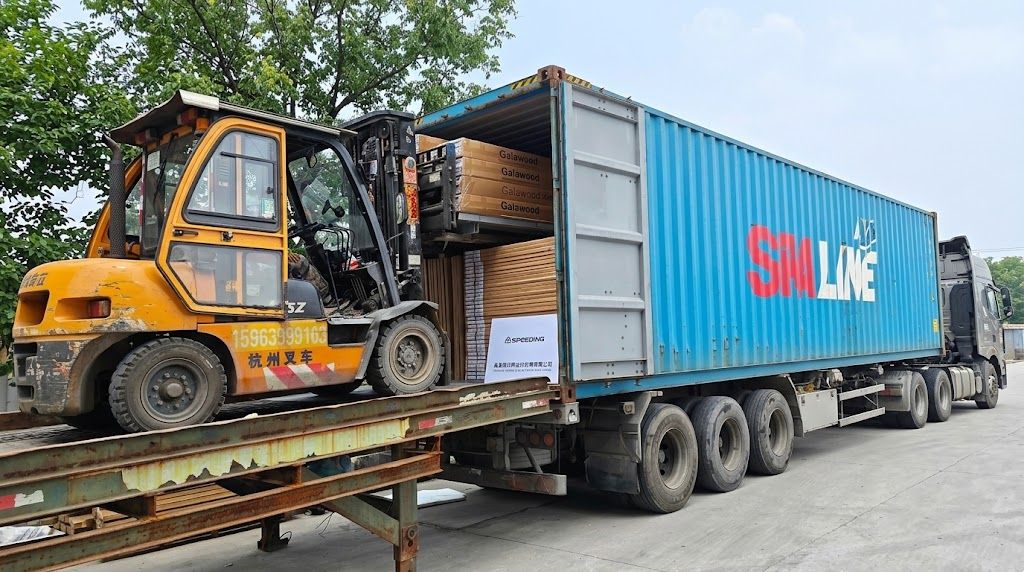
Here are several practical ways buyers and suppliers can work together to improve shipping efficiency.
1. Understand What Drives Wall Panel Shipping Costs
The cost of shipping building materials depends on several factors, and not all of them can be controlled by the supplier.
Ocean Freight Rates
Freight rates vary with the route, season, carrier, available capacity, and market conditions. Comparing quotations for the same route and shipment period helps buyers evaluate their options more accurately.
Packaging Dimensions
Large cartons and inefficient packaging can occupy valuable container space. Reviewing packed dimensions early in the order process helps buyers estimate shipment volume and plan container utilization.
Cargo Weight and Distribution
A container has both weight limits and physical capacity constraints. The loading plan needs to account for the gross weight of the cargo, packaging materials, container specifications, and applicable transport restrictions.
Port and Destination Charges
Origin handling, documentation, destination port fees, customs clearance, and inland transportation may all contribute to the total landed cost. Buyers should confirm which charges are included in each quotation.
2. Improve Container Utilization Through Better Planning
For lightweight but bulky wall panels, packaging design can influence how efficiently products fit into a container.
A. Review Packaging Dimensions Before Production
Carton dimensions should be considered alongside product size, surface protection requirements, and stacking strength. Packaging that is too large may consume unnecessary space, while packaging that provides insufficient protection can increase the risk of damage.
For products with textured surfaces or decorative profiles, the packaging plan should also prevent excessive pressure, friction, and movement during transportation.
B. Match Loading Methods to Product Characteristics
Different building materials require different handling and packaging approaches.
PU stone and flexible stone:** Consider surface separation, edge protection, and the product's recommended stacking or handling method.
WPC and fluted wall panels:** Account for panel profiles, carton strength, and protection for edges and decorative details.
PVC marble sheets:** Review panel dimensions, surface protection, corner protection, and the suitability of cartons or crates.
PET acoustic panels:** Consider panel thickness, packaging strength, and protection against excessive compression.
The appropriate solution depends on the actual product specifications and should be confirmed before shipment.
C. Plan Mixed-Product Shipments Carefully
Importers sourcing several product categories may be able to coordinate them in a single shipment, depending on order quantities, packaging dimensions, cargo compatibility, and delivery schedules.
A mixed-load plan should consider total volume, gross weight, stacking strength, unloading sequence, and the need to keep fragile products protected. Heavy products should not simply be placed underneath lighter products without checking whether the packaging can support the resulting load.
A clear loading plan helps the supplier and buyer assess whether combining product lines is practical and cost-effective.
3. Calculate the Cost Per Unit, Not Just the Freight Rate
A lower freight quotation does not always mean a lower total shipping cost per product. Buyers should compare the expected freight and related logistics charges against the quantity of goods that can be shipped safely.
For example, when comparing two packaging arrangements, consider:
* The number of saleable units per shipment
* Total packed volume and gross weight
* Packaging material and labor costs
* The level of protection required
* Potential costs associated with damage or re-shipment
A more compact package may improve container utilization, but only if it maintains adequate product protection. Similarly, combining product categories may help coordinate shipments, but the final decision should account for order timing and destination requirements.
4. What Importers Should Confirm Before Booking Freight
Before confirming a shipment, buyers can request the following information from their supplier:
* Packed dimensions and estimated shipment volume
* Estimated gross weight and packing quantity
* Proposed packaging method for each product category
* Estimated loading quantity based on the selected container
* Whether mixed-product loading is feasible
* The shipping route, quotation validity, and charges included
* The agreed Incoterms rule and named place or port
These details make it easier to compare quotations on a like-for-like basis and estimate the landed cost more realistically.
Conclusion: Make Logistics Part of Your Purchasing Strategy
Managing shipping costs starts before the goods reach the port. Reviewing packaging dimensions, checking cargo weight, planning mixed-product orders, and comparing the full logistics cost can help importers make more informed purchasing decisions.
At Speeding, we supply decorative building materials including WPC wall panels, PU stone panels, PVC marble sheets, flexible stone, and PET acoustic panels. If you are planning a wholesale order or a mixed-product shipment, contact our team to discuss product specifications, packaging requirements, and shipping arrangements for your destination market.



 +86 133 2501 4063
 info@speedingdecor.com

Room 102, Building 4, Tongshun Park, Qingdao Net Valley, No. 1 Tongshun Road, Chengyang High-tech Zone, Qingdao, Shandong, China.





 English
 Español


